Growth Is Continuing. Is Burlington Ready for What Comes With It?
Originally published in the Burlington Gazette. This article is part of my ongoing commentary on the issues and decisions shaping Burlington.

Photo by Genna Weber
Burlington is changing. That isn’t really up for debate.
Provincial housing targets, population growth and changing demographics mean our city will continue to welcome more people and more homes. The question I believe we need to spend more time asking is not simply how much Burlington will grow, but whether the infrastructure and services that make our city such a great place to live are keeping pace.
Growth is often discussed one development at a time: how many units, how tall, where they are located, and whether they fit within a particular neighbourhood. Those are important conversations. But we also need to step back and look at the bigger picture.
A new home does not exist in isolation.
It connects to roads, water and wastewater systems, parks and recreation, transit, emergency services and other municipal infrastructure. It adds people to neighbourhoods, vehicles and pedestrians to our streets, and demand to the services residents rely on every day.
That is why I believe responsible growth is ultimately about planning ahead and making sure all of these pieces work together.
My graduate work in public policy focused extensively on housing and the systems surrounding it. I completed my Master of Public Policy with a specialization in housing policy, where I looked closely at housing supply and affordability, municipal decision-making, population trends, infrastructure and the changing needs of our communities.
One thing became very clear through that work: housing cannot be considered in isolation.
We need housing. We need different types of housing, at different price points, for people at different stages of life. Young people should have a realistic opportunity to establish themselves here. Families should be able to find homes that meet their needs. Older adults should have options that allow them to remain in the community they know.
But adding housing without adequately planning for everything around it simply moves the pressure somewhere else.
We can see this challenge in areas around Appleby Line, where residents experience the cumulative effects of growth through traffic volumes, busy intersections, and increasing demands on the surrounding transportation network. No single development or decision creates that pressure on its own. It builds over time.
That is why planning cannot stop at the boundaries of an individual development application. We need to understand what multiple decisions will mean collectively for the people already using those roads and services every day, as well as the new residents who will depend on them in the future.
It leads to a few important questions I believe we should be asking more often.
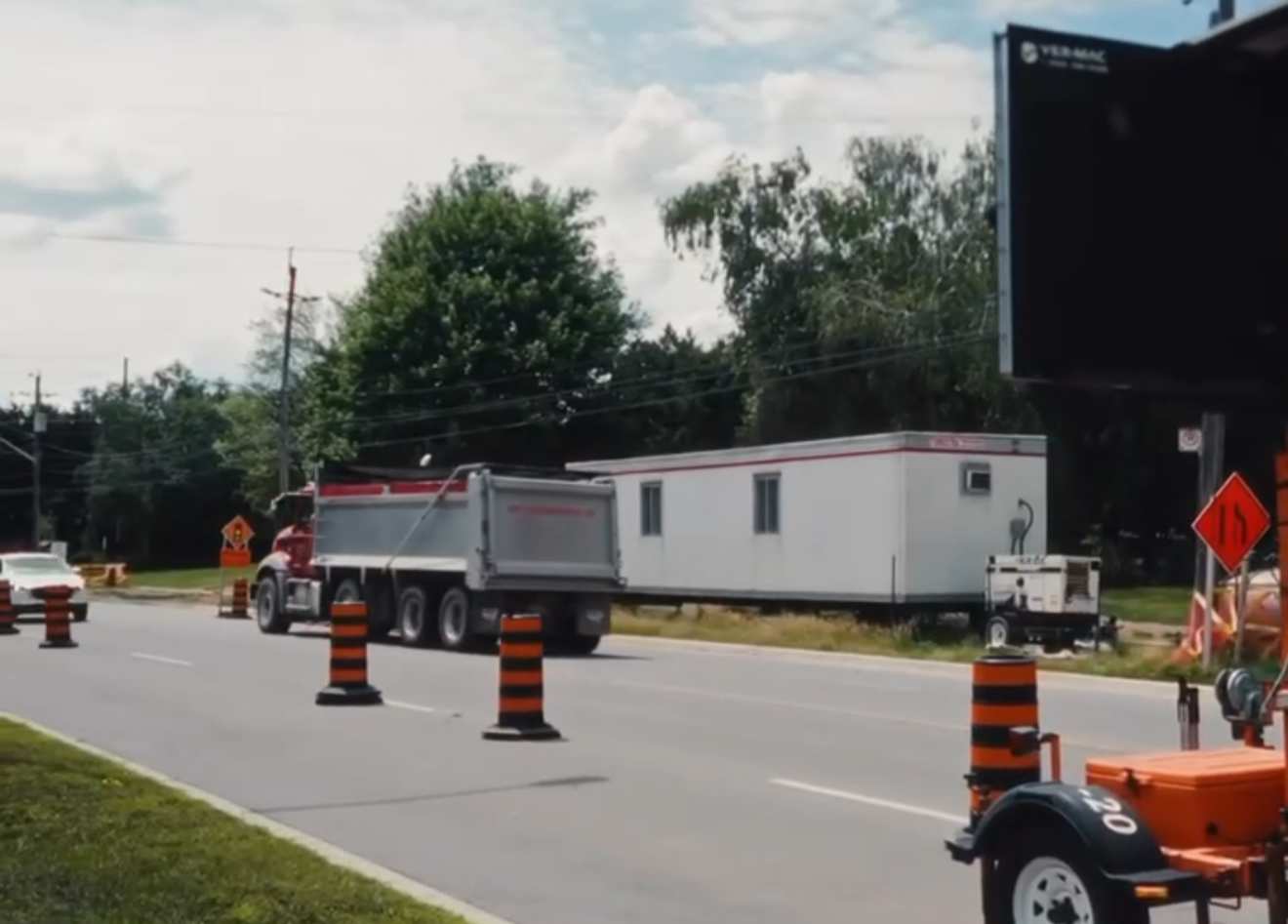
Is our infrastructure keeping pace?
As Burlington grows, we need to understand what that growth means for roads and intersections, water and wastewater capacity, parks, recreation facilities, transit, emergency response, and the other services residents depend on.
This is also why the dual role of City and Regional Councillor matters. Many of the systems residents interact with do not fall neatly within one level of municipal government. Burlington and Halton Region have different responsibilities, but residents experience the results collectively.
Most people do not care which level of government is responsible when something isn't working. They want someone to take responsibility for helping solve the problem.
Are we looking far enough ahead?
One development may work on its own. But good planning also means understanding what happens when multiple developments, population growth, and changing travel patterns affect the same neighbourhood or corridor over time.
We have access to information that can help us anticipate those pressures. Population trends, traffic patterns, infrastructure capacity, service demand, and housing data should all help inform municipal decisions.
The goal should be to identify problems before residents are living with the consequences, rather than continually reacting after the pressure has become obvious.
And finally, what does it cost, and what are residents getting in return?
Growth and infrastructure are also financial questions.
Residents have seen their property taxes increase while the cost of everyday life has risen considerably. At the same time, maintaining the infrastructure we already have and preparing for future needs requires investment.
That makes responsible financial management even more important.
Fiscal responsibility does not mean refusing to invest. It means being clear about why we are spending, what residents are receiving in return, and whether that investment is actually producing the result we were promised.
When Council considers a significant expenditure, I believe residents should be able to understand the answers to some basic questions: What problem are we trying to solve? What will it cost? What result do we expect? And how will we know whether it worked?
Those are reasonable expectations when we are spending public dollars.
That approach also reflects my professional experience. For nearly two decades, I have worked in business development, strategy, and organizational leadership. In those environments, budgets require priorities, decisions have consequences, and results need to be measured.
I believe residents deserve that same level of accountability from their municipal government.
There will not always be an easy answer. There will be competing priorities, financial constraints, and decisions where reasonable people disagree. Leadership is not about pretending those trade-offs don't exist. It is about being open about them, listening to the people affected, and making decisions based on good information and the long-term interests of the community.
Burlington is a city people are proud to call home. Protecting what makes it special does not mean resisting every change. And welcoming new residents does not mean accepting growth without asking difficult questions.
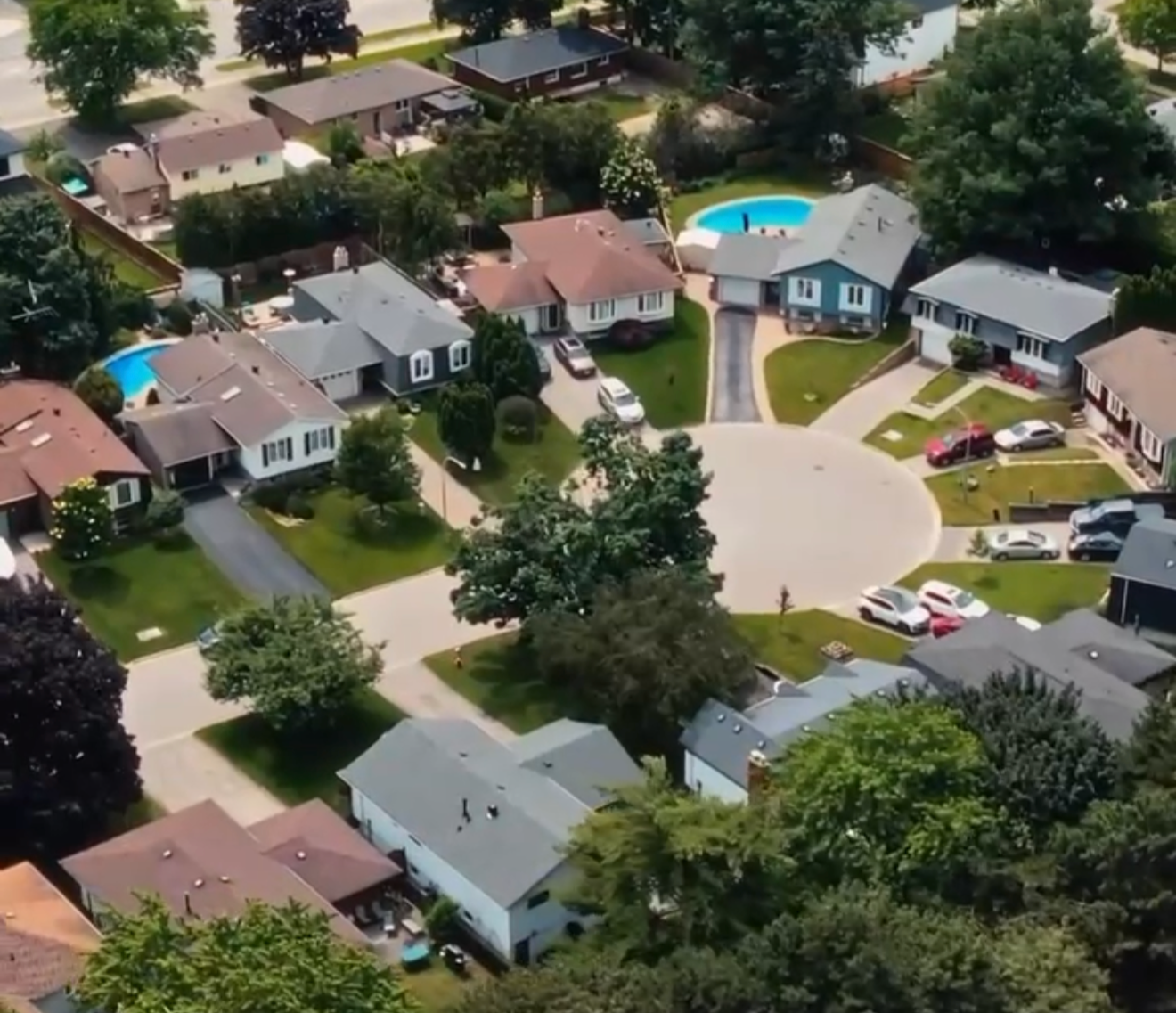
We can do both.
We can create more housing while respecting established communities. We can welcome investment while making sure infrastructure keeps pace. We can prepare Burlington for the future while protecting the quality of life residents value today.
But to do that, we need to stop treating housing, infrastructure, transportation, services, and municipal finances as separate conversations.
They are all part of the same conversation.
Growth is continuing. The real question is whether we are planning well enough for everything that comes with it.
For me, the measure of success should never simply be how much we build. It should be whether Burlington remains a city where people can afford to live, move around safely, rely on the services they pay for, raise their families, age in their community, and continue to be proud to call it home.
Olivia