Listening should be the beginning of good representation, not the end of it.
Originally published in the Burlington Gazette. This article is part of my ongoing commentary on the issues and decisions shaping Burlington.
One of my favourite parts of running for municipal office is also one of the simplest: knocking on doors.
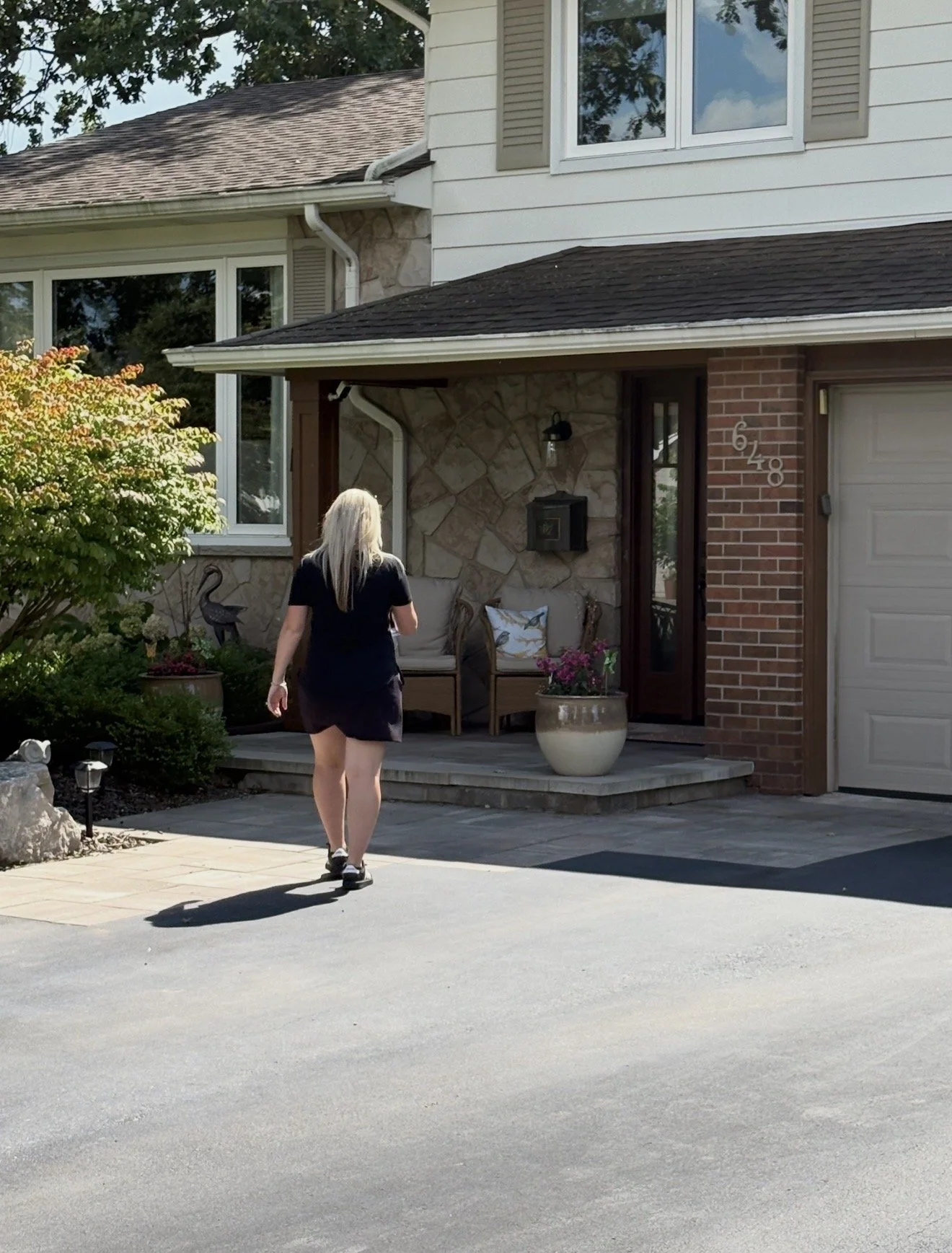
There is no substitute for standing on someone's front step and asking, "What's important to you?"
I've been spending a lot of time doing exactly that across Ward 4. Sometimes the conversation lasts two minutes. Sometimes twenty. Sometimes someone has a specific concern they've been waiting to raise. Other times, they simply want to tell me what they love about their neighbourhood and what they hope doesn't change.
While every neighbourhood is different, I'm hearing some common themes.
People want the basics to work. They want their neighbourhoods to feel safe, traffic to move reasonably, parks and public spaces maintained, and growth supported by the infrastructure and services needed to accommodate it.
And when something isn't working, they want to know someone is paying attention.
On Elwood Road, I've heard from several residents frustrated by the construction at the New Street bridge. They understand that infrastructure needs to be repaired and replaced. What they question is why a project can disrupt their neighbourhood while, on some days, they see no workers on site.
A resident in the Dynes neighbourhood expressed a similar frustration with the work on Prospect Street. From his perspective, the project seems to have been going on and on, without a clear end in sight.
Nobody was saying, "Don't fix the bridge," or, "Don't improve the road."
They were asking a much simpler question: Why does it have to take this long?
It's a fair question.
Infrastructure projects can be complicated. Weather, utilities, contractors and unexpected site conditions can affect timelines. But if residents are going to live with months of disruption, they deserve clear communication about what is happening, why timelines have changed and when they can reasonably expect the work to be finished.
I heard a variation of that concern in Shoreacres.
A resident understands why the reconstruction of Spruce Avenue needs to happen. Her concern is how long the work may take and what that will mean for the neighbourhood, particularly because, as she pointed out, children use Spruce as part of their walk to and from school.
Again, it wasn't opposition to the investment. It was concern about how the work affects everyday life.
That's something I'm reminded of repeatedly at the doors. Municipal government often touches our lives through things we barely notice when they're working well: the road you take to work, the sidewalk your child takes to school, the park around the corner, the intersection you navigate every morning.
These can sound like small issues around a Council table. They don't feel small when you live with them every day.
But not every conversation is about roads or construction.
In Tansley Woods, I spoke with a woman who told me that she and her husband are retired, but their two adult children are still living at home because housing feels financially out of reach.
That conversation stayed with me.
We spend a lot of time talking about housing in terms of supply, density, targets and growth. But behind those words are families wondering whether their children will ever be able to afford a place of their own.
For some Burlington parents, the question is becoming: will my children be able to build their lives in the community where they grew up? And for older residents: if I eventually want to downsize, will there be an attainable option that allows me to remain in Burlington?
Those are the human questions behind our housing debate.
Property taxes and affordability come up at the doors too. What I hear isn't always simply, "My taxes are too high."
Often, it's: "What am I getting for them?"
Residents understand that roads need to be repaired, parks maintained, emergency services funded and infrastructure replaced. They aren't asking municipal government to spend nothing. They want confidence that their money is being spent carefully and that the services and projects they're paying for are being delivered well.
I've also been reminded that Ward 4 isn't one neighbourhood with one set of priorities.
What I hear in Shoreacres isn't always what I hear in Tansley Woods, Dynes or north of the QEW. One street may be talking about speeding. Another about construction. Somewhere else, it's housing, taxes, parks or an intersection residents navigate every day.
That's why I believe good representation starts with understanding what is happening in the neighbourhoods you represent.
I ran for Ward 4 Council in 2022, and the four years since have given me an opportunity to continue preparing for the responsibility of representing this community. I've deepened my involvement in Burlington, built a stronger understanding of the issues facing residents and completed a Master of Public Policy. I also bring nearly two decades of experience in business and strategy, where managing budgets and competing priorities, asking difficult questions and being accountable for results are part of the job.
I believe that combination of community involvement, professional experience and policy knowledge matters in an elected representative.
Listening is where good representation begins, but it can't be where it ends.
Council members are responsible for budgets, policy, planning and decisions that can shape a community for decades. The job requires more than identifying a problem. It requires understanding how municipal government works, weighing evidence and competing priorities, asking the right questions, understanding the financial and long-term implications of a decision, and being prepared to explain and stand behind the choices you make.
Not every concern raised at a doorstep will have a simple solution. But every resident deserves to know their concern has been taken seriously and that their representative is prepared to do the work required to find an answer.
There are still many doors I want to reach before October 26.
So if I knock on yours, I hope you'll answer.
Tell me what's working. Tell me what isn't. Tell me what you think Burlington could be doing better.
Those conversations matter, because listening should be the beginning of good representation, not the end of it.
Olivia