Raise the Standard #5: Get the Basics Right
A city can have big plans.
But residents still need the basics to work.
Roads need to be maintained. Parks and public spaces need to be cared for. Infrastructure needs to be kept in good repair. Traffic and pedestrian-safety concerns need to be taken seriously. And as Burlington grows, our emergency services need to keep pace with the community they serve.
That is the focus of my fifth Raise the Standard commitment.
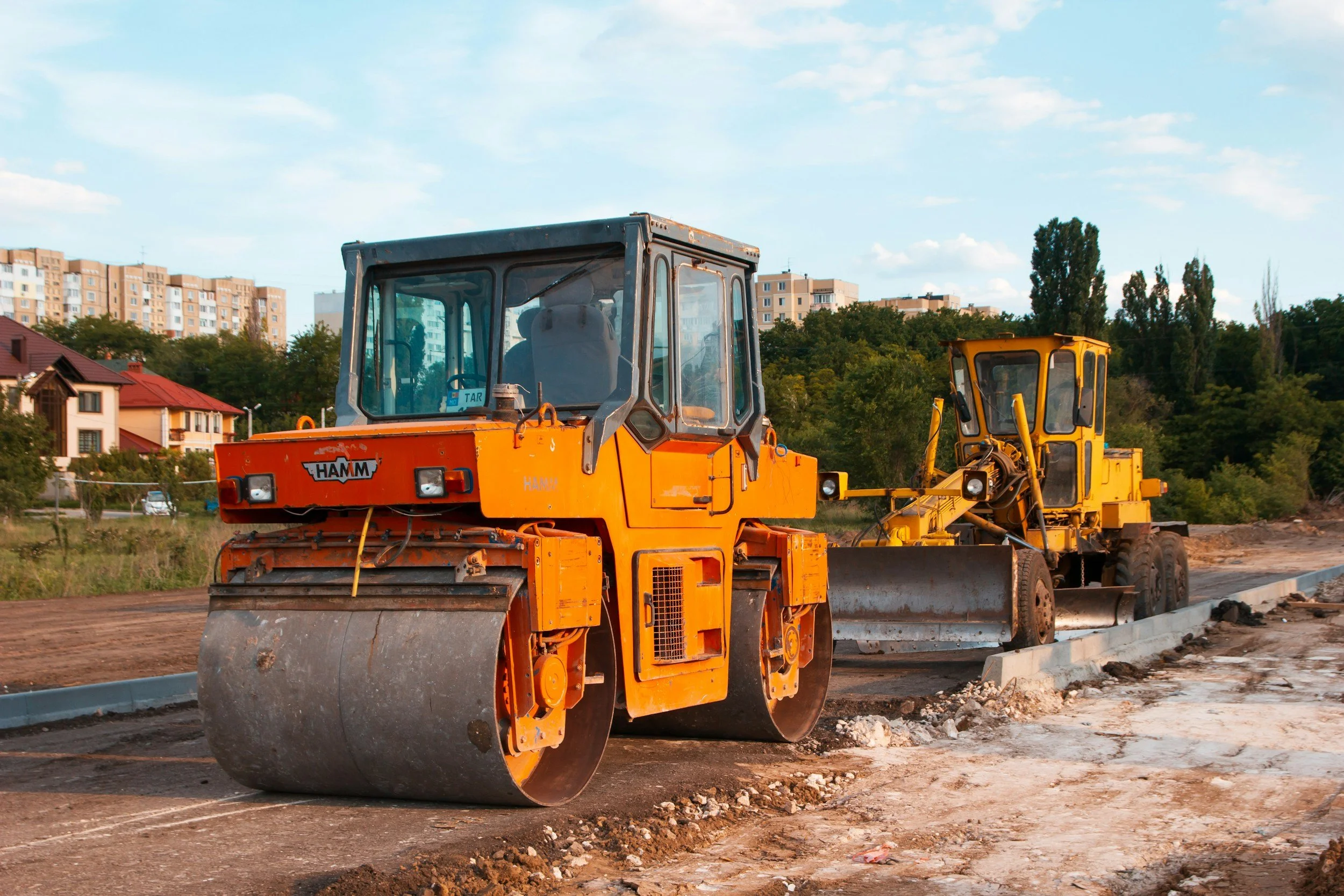
The basics are not small things
Municipal government deals with complex issues.
Growth. Housing. Long-term planning. Climate resilience. Major infrastructure. Economic development.
Those conversations matter.
But so do the services residents experience every day.
The condition of a road.
A sidewalk that needs repair.
A park that needs attention.
A recurring traffic concern.
A drainage issue.
A neighbourhood construction problem.
The ability of fire, police and paramedic services to respond when people need them.
These are not side issues.
They are part of the basic job of local government.

The tangible deliverable: a Ward 4 Basics & Public Safety Review
As Councillor, I would publish a regular Ward 4 Basics & Public Safety Review focused on significant recurring neighbourhood issues and the core services residents rely on.
The purpose would be straightforward:
What are residents repeatedly raising?
What action has been taken?
What remains unresolved?
What needs attention through the budget or City work plan?
This would not be another lengthy report.
It would be a clear public snapshot of where the fundamentals stand.
What would the review cover?
The review would focus on areas such as:
Roads and sidewalks
Are there recurring maintenance concerns?
Are there locations where repair or renewal continues to be delayed?
Are construction impacts being properly managed?
Parks and public spaces
Are neighbourhood parks and public spaces being maintained to the standard residents should expect?
Are there recurring issues involving equipment, landscaping, accessibility, lighting or upkeep?
Traffic and pedestrian safety
What recurring safety concerns are residents raising?
Have they been reviewed?
What action has been taken?
What remains outstanding?
Stormwater and local infrastructure
Are there recurring drainage, flooding or infrastructure concerns affecting neighbourhoods?
Who is responsible?
What is the status of the work?
Public safety
Are fire, police and paramedic resources keeping pace with Burlington’s needs?
What does the evidence show about demand, capacity and emerging pressures?
The goal is not to treat every individual service request as a major policy issue.
It is to identify where recurring concerns point to something larger that deserves attention.
Public safety should be part of the budget conversation
Supporting public safety should mean more than saying it is important.
Council needs to understand what is actually happening.
During each budget cycle, I would examine whether fire, police and paramedic capacity is keeping pace with population growth, call demand and changing community needs.
That means asking questions such as:
What is happening with call volumes?
Are response demands changing?
Are there identified staffing or fleet pressures?
Are facilities keeping pace?
What additional resources are being requested?
What problem is that investment intended to solve?
What measurable improvement should residents expect?
And are there opportunities to deliver the service differently or more efficiently?
Public safety and fiscal responsibility should not be treated as opposing ideas.
Both require evidence.

A public safety check
As part of my annual budget accountability work, I would publish a short Public Safety Check summarizing the information I considered.
It could include:
Demand
What do service and call-volume trends show?
Capacity
What information has been provided about staffing, fleet, facilities and response pressures?
Proposed investment
What additional resources are being requested?
Evidence
What need is the investment intended to address?
My position
What did I support, question or oppose, and why?
That gives residents more than a statement that public safety was “a priority.”
It shows how the decision was evaluated.
Why this matters
When municipal government becomes focused on large strategies and long-term plans, the everyday experience of residents can sometimes feel far removed from those discussions.
A pothole is not a strategic plan.
A neglected park is not a major policy document.
A recurring traffic concern may not generate a headline.
But these are often the things that shape how residents experience their city every day.
Getting the basics right builds confidence that government can deliver on the larger things too.
The same applies to public safety.
Most residents will never read a detailed emergency-services master plan or municipal budget book.
But they should still be able to understand whether services are keeping pace and what Council is doing about identified pressures.
This standard connects to the others
The Ward 4 Basics & Public Safety Review would not stand alone.
A significant neighbourhood issue could also appear in the Ward 4 Issues & Action Tracker from Standard #3.
Service performance could connect to the City Service Standards & Performance Scorecard from Standard #2.
If additional spending is proposed, it would be examined through the Budget Accountability Review from Standard #1.
And if growth is contributing to service or infrastructure pressure, that should be visible through the Growth & Infrastructure Check from Standard #4.
That is intentional.
These standards are meant to work together.
The goal is not seven separate campaign promises.
It is a system of accountability.
What I can be accountable for
I cannot personally repair a road.
I cannot direct police operations.
I cannot guarantee an emergency-response time.
And one Councillor cannot determine staffing levels across every service.
What I can do is make sure significant issues are identified, responsibilities are clear, the right questions are asked, and decisions are explained.
I can:
track recurring Ward 4 concerns
raise significant infrastructure and maintenance needs
ask whether public-safety resources are keeping pace with demand
scrutinize the evidence behind requests for additional funding
explain the decisions I support
and report back on what remains unresolved
Those are actions residents can measure.
Raise the Standard
This is Standard #5 of my Raise the Standard commitments.
Each standard asks the same four questions:
What should the standard be?
What will I do?
How will it be measured?
How will I report back?
For the basics and public safety, my commitment is:
Track the basics. Examine the pressures. Fund what is justified. Report back.
The tangible deliverable is a regular Ward 4 Basics & Public Safety Review, paired with a transparent public-safety check during the budget process.
Because before government looks for the next big idea, residents should be able to rely on the fundamentals.
Getting the basics right is part of raising the standard.
Olivia