Four Years Is a Political Term. Building a City Requires a Longer View.
Originally published in the Burlington Gazette. This article is part of my ongoing commentary on the issues and decisions shaping Burlington.
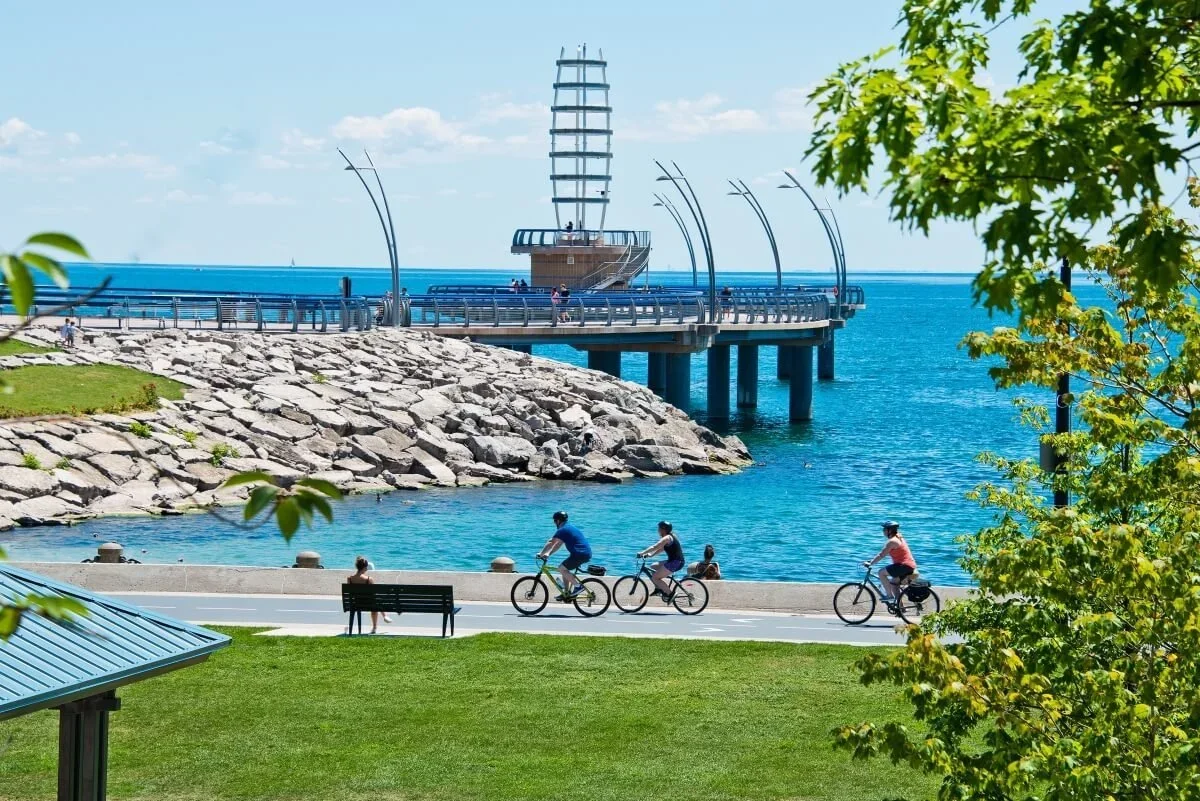
Photo credit: https://www.bwst.ca/
Four years is a relatively short period of time.
That’s the length of a municipal term. But many of the decisions made during those four years will shape Burlington for decades.
A road we defer today may cost considerably more to repair later. A development approval can change a neighbourhood long after the Council that approved it is gone. Infrastructure built today may serve residents for generations. And financial commitments made in one budget can limit the choices available in future budgets.
That’s something I believe we should think about when choosing the people who will sit around the Council table.
The job isn’t simply to make decisions that sound good today. It’s to understand what those decisions could mean tomorrow.
Municipal government is particularly challenging in this respect because residents understandably experience the city in the present.
Is my street safe? Why is this construction taking so long? Why are my property taxes increasing? Can my children afford to live here? Is traffic getting worse? Can I get the service I need?
These are the questions people live with every day, and they deserve answers.
But Council also has a responsibility to look beyond what is immediately in front of us.
Roads, bridges, parks, recreation facilities, stormwater systems, housing and transportation networks are planned over decades, not election cycles. Burlington’s population and demographics will continue to change. The decisions we make today need to anticipate what our community will require years from now.
And those decisions rarely exist in isolation.
A single investment may be affordable. A single development may be supportable. A single service enhancement may be justified. But Council doesn’t make one decision over four years. It makes hundreds.
The responsibility is not only to ask whether an individual decision makes sense. It is also to understand what happens when those decisions accumulate.
What does another financial commitment mean alongside all the commitments already made? What does another development mean for infrastructure already under pressure? What does deferring one capital project mean when several other assets are approaching the end of their useful lives?
Good decisions individually do not automatically add up to good policy collectively.
That is where governing becomes more difficult.
The difficult decisions Council faces are rarely a choice between a clearly good option and a clearly bad one. More often, Council is weighing competing priorities, each with legitimate arguments behind them.
Keeping taxes affordable matters. So does maintaining infrastructure.
Building more housing matters. So does ensuring infrastructure and services can support growth.
Improving services matters. So does keeping the cost of government sustainable.
The responsibility of an elected official isn’t to pretend those tensions can always be eliminated. It is to understand them, make the trade-offs visible and exercise judgment.
Burlington’s own infrastructure provides a very real example.
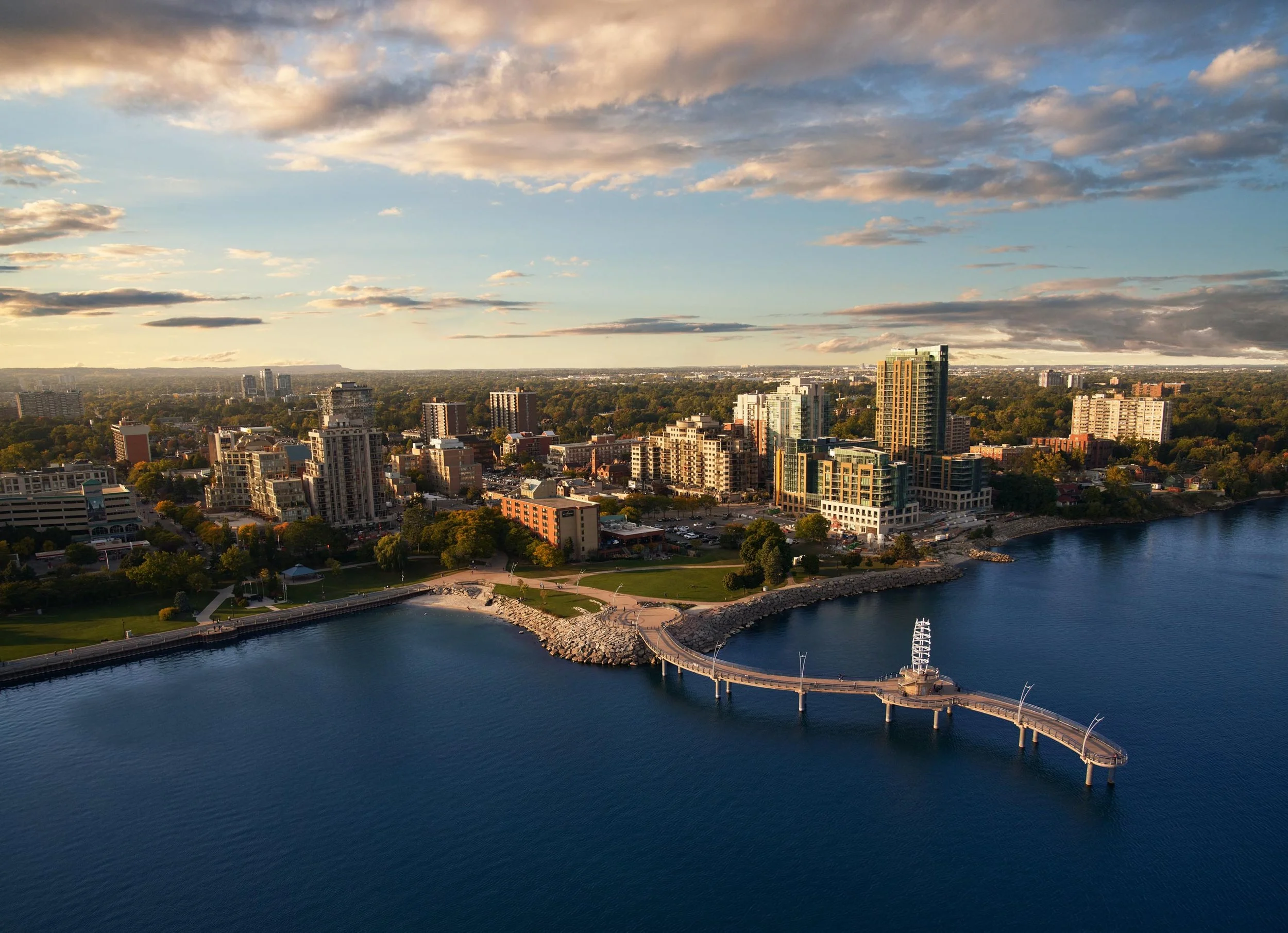
Photo credit: https://investburlington.ca/
The City’s 2025 Asset Management Plan puts the replacement value of Burlington’s infrastructure assets at approximately $7.15 billion. Over the next ten years, there is a roughly $350-million difference between currently planned state-of-good-repair investment and the amount the plan estimates would be needed to stabilize service levels.
That number doesn’t automatically tell Council what to do.
That’s precisely the point.
Council still has to determine which assets are most at risk, what should be prioritized, what can reasonably be deferred, what waiting could cost in the future and what residents can reasonably afford today.
The cheapest decision today is not necessarily the most responsible decision over twenty years. But spending more does not automatically produce a better outcome either.
That is why I believe Council needs to ask more than, “How much does this cost?”
We should also be asking: What problem are we solving? What are our options? What do we gain from each one? What are the risks? What are we giving up? What are the long-term consequences? And importantly, what happens if we do nothing?
My background in public policy has reinforced something I learned over many years in business and strategy: good decisions require good information, but information does not make the decision for you.
Evidence can tell us about costs, risks, demographic trends, infrastructure capacity and likely outcomes. City staff bring professional expertise. Residents bring something equally important: an understanding of how decisions affect their neighbourhoods and everyday lives.
A councillor’s responsibility is to bring those pieces together.
Sometimes there will be an obvious answer. Often there won’t be.
There may be several reasonable options. Residents may disagree. Experts may weigh risks differently. City and Regional responsibilities may intersect. Provincial decisions may limit what municipalities can control.
That is where judgment matters.
It means doing the homework before the vote. Understanding not only what is being recommended, but why. Asking what alternatives were considered. Looking at the financial implications today and into the future. Listening to the people affected. And being prepared to explain how and why you reached the decision you ultimately make.
The easiest promise in an election is to tell people what you will do. The harder responsibility is understanding what that decision will mean five, ten or twenty years later.
There is another dimension to these decisions that is easy to overlook.
Some of the people who will live with their consequences aren’t sitting in the room today.
A child walking to school in Burlington today may be raising a family here twenty years from now. Infrastructure we build will still be in use. Financial commitments may still affect future budgets. Land-use decisions made today will permanently shape parts of our city.
Good municipal leadership requires stewardship: making decisions for residents today while recognizing our responsibility to the Burlington they will inherit.
That is also why I don’t believe responsible government can be measured only by what gets accomplished during a four-year term.
Sometimes responsible leadership means completing something residents can immediately see. Sometimes it means beginning work whose benefits may not be realized until years later. And sometimes it means deciding not to proceed because the long-term costs or consequences do not justify it.
Burlington will change over the next four years. But the Burlington we leave to the next generation will be shaped by decisions made over many municipal terms.
That requires elected representatives willing to look beyond the next budget, the next headline and the next election.
We need to understand the evidence. Be honest about the trade-offs. Consider the cumulative impact of our decisions. Ask what happens if we act, and what happens if we don’t.
Then we need to make the decision we believe will serve Burlington best, not only today, but for the years that follow.
Four years is a political term. Building a city requires a much longer view.
Olivia